How do solar panels work? A step-by-step expert guide

Solar panels turn sunlight into usable electricity through a surprisingly elegant process. In this guide, we’ll break down exactly how solar panels work, step-by-step, from capturing sunlight to powering your business.
Whether you’re curious about the science or considering installation of this clean energy option, our experts have compiled this overview to make solar energy simple, clear and practical.
What are solar panels?
Solar panels, or photovoltaic (PV) panels, are devices that create clean energy by converting direct sunlight into electricity by using semiconductor materials. They contain multiple cells that generate direct current (DC), and a PV system uses inverters to convert into usable alternating current (AC).
What are solar panels made of?
Solar panels are primarily made of silicon cells, which are responsible for converting sunlight into electricity. These cells are encased in a protective layer of tempered glass, with a durable polymer backing to withstand weather conditions.
Then a metal frame, usually aluminium, provides the structural support, while wiring and junction boxes manage the flow of electricity. Together, these components ensure efficiency, durability and long-term performance.

How do solar panels work step-by-step
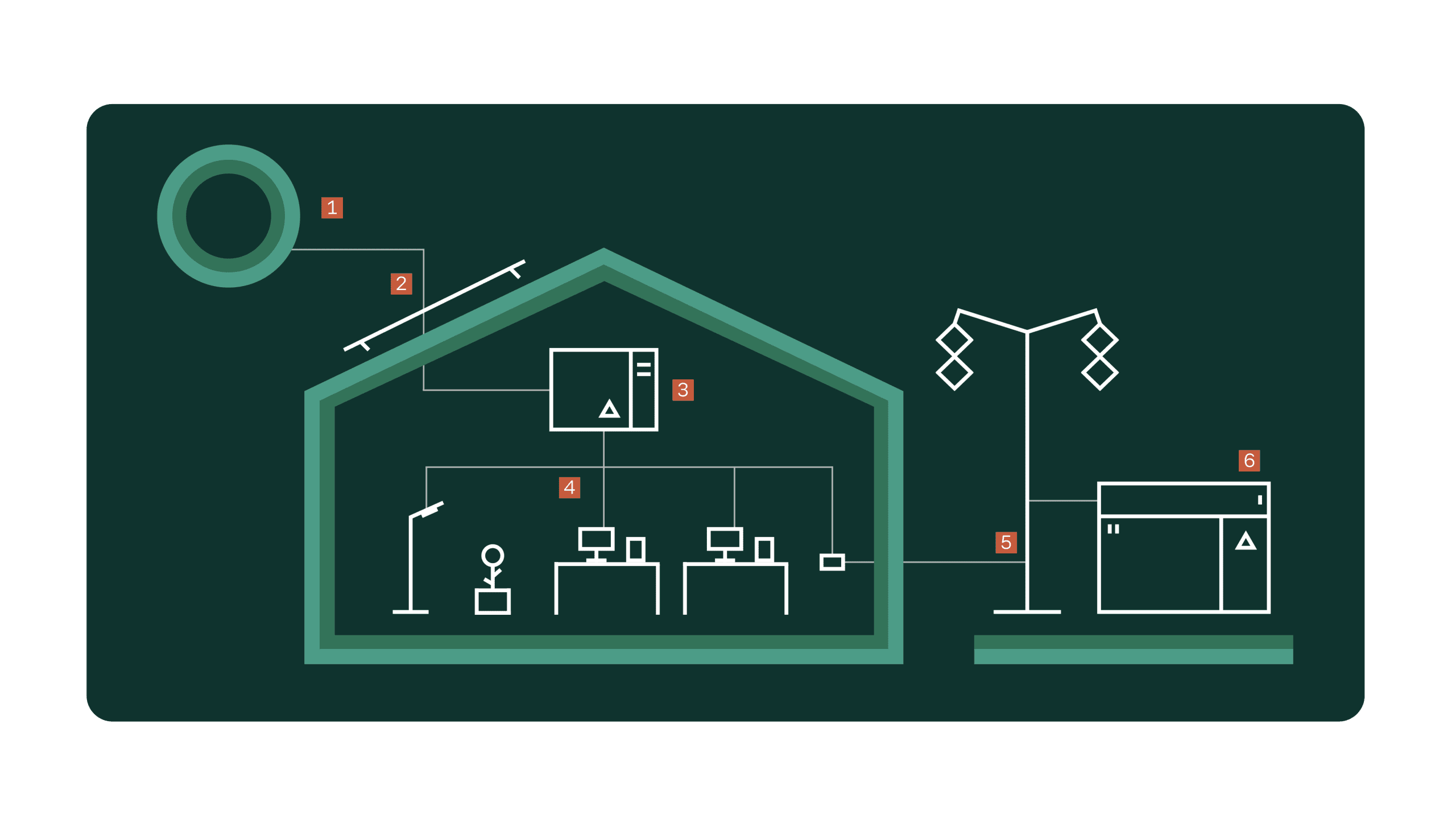
1. Solar panels capture sunlight
Solar panels use the photovoltaic effect, which is when sunlight hits silicon cells, electrons excite, which in turn creates an electric field that begins the flow of electricity.
2. Solar cells generate direct current (DC) electricity
Those excited electrons move through the various silicon layers of the solar cell itself, producing direct current (DC) electricity. This flow is constant but cannot used to power a site just yet.
3. The inverter converts DC to AC power
An inverter transforms the generated DC current into an alternating current (AC), which is the standard electricity type of standard appliances. This step is crucial for ensuring that the energy the solar panel has generated can safely power your site.
4. Electricity powers your business
The converted AC electricity charge now flows from the inverter to the electrical system. It can then power lights, appliances and other business electronics.
5. Excess energy ss exported or stored
Any excess energy that the solar panels have created can then be sent back into the grid (potentially earning you money) or can be stored in batteries for backup power or if the current ever drops.
6. Battery storage
Energy storage systems capture unused solar power for later use. This allows your business to remain powered during nighttime or cloudy days, providing independence from the grid.
What are the benefits of solar panels?
- A clean and renewable source of energy
- Low maintenance costs
- Increased property value
- Potential revenue stream
- Reduced carbon footprint
- Works in all daylights (even cloudy days)
- Versatile applications
- Long Lifespan
- Reduced electricity bills
3 Types of solar panel systems
Grid-connected solar panel systems
A grid-connected solar panel system is a setup that links directly to the grid, but allows businesses to draw power from the grid when solar production does not meet site demand. It can be an avenue to feed excess power back to the public electricity grid to generate revenue.
Off-grid solar panel systems
This standalone system operates independently from public utilities and creates electricity for use on site, with any excess power being stored in batteries. This battery storage backup can be used at night or on cloudy days.
Hybrid solar panel systems with battery storage
A hybrid solar panel system is connected to the public grid and has a battery bank. This is a more efficient way of managing electricity and reduces grid reliance.
Solar panel diagram
Our experts have created this solar panel diagram to help you understand how solar panels work. An increased understanding is vital prior to installation, as it can increase efficiency and power generation.
Partner with solar experts
Working with Alt-Group’s solar professionals ensures your system is designed, installed and maintained efficiently. Our team can help navigate planning and Distribution Network Operator (DNO) applications and support on applying for grants or incentives, whilst maximising your energy creation. Our guidance ensures your investment is reliable, sustainable and tailored to your needs, giving you confidence in long-term performance and cost-effective energy solutions.
Yes, there are still some costs, like a daily standing charge and the sum of any power you require from the grid. Your company bills, however, will be significantly reduced, and you will use your own generated power first. You can sell any of your excess power back into the grid too.
There are certain drawbacks, like a higher initial cost, reliance on weather, specific space or structural requirements and intermittency of when you have power. These issues that affect how solar panels work can be mitigated with careful design.
Solar panels are designed to be outside, catching UV rays all year round; because of this, they are highly durable. Alongside being fully waterproof, most solar panel systems are built to survive winds of up to 140-150 mph.
You should endeavour to avoid placing solar panels in heavily shaded areas, and avoid north-facing roofs (although panels are becoming increasingly efficient, even when used in imperfect locations). Also be sure that it is safe and secure on sturdy roofs away from the edge.
The 20% rule is the standard that all solar panels should plan to create 20% more electricity than they actually need. This is a safety net for any losses in efficiency or weather changes, with further options for scalability.