The best angle for solar panels in the UK
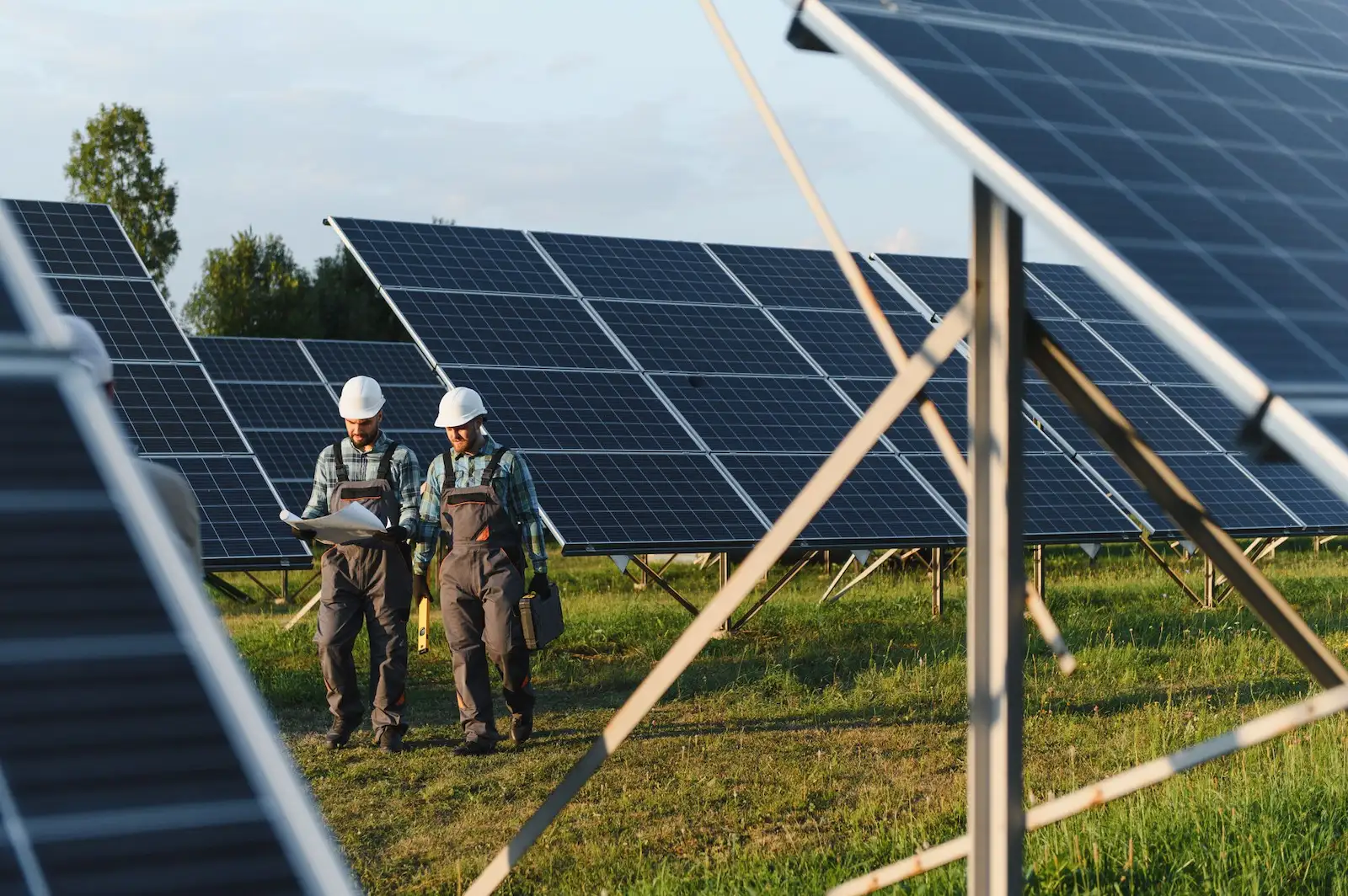
At Alt-Group, we develop, design and build solar panel projects for businesses spanning many different commercial and industrial sectors. Part of our comprehensive design services is ensuring the best position for solar panels, with the angles and direction agreed before installation to guarantee you receive an optimised output.
We’ve put together this guide to explain the best solar panel angles for your installation, covering factors such as different regions of the UK, time of year and different roof types.
Why is the solar panel angle important?
Solar panel angle and orientation are very important to ensure the system will generate an optimal amount of electricity. Installing solar panels at the wrong angle can reduce the system’s output by 50% or more.
The best angle for solar panels allows businesses to maximise the solar insolation, which is the amount of solar energy emitted from the sun.
How tilt affects solar energy production
The angle (azimuth) of solar panels refers to the horizontal direction or orientation the panels face, and tilt specifically refers to the vertical angle of an object relative to the horizontal ground. The tilt matters just as much as the angle because it influences how much solar energy can be produced.
Solar panel tilts will vary depending on location, but a good guideline to achieve a good performance across the year and seasons is between 30° and 40°.
The relationship between sunlight and panel position
In the UK, south-facing solar panels generally provide the highest energy yield because they receive the greatest amount of sunlight throughout the day. East- and west-facing systems can still perform effectively, particularly for businesses that consume more electricity during mornings or evenings.
The tilt angle is equally important. Panels that are too flat may not capture enough direct sunlight during the winter, while panels that are too steep can reduce summer efficiency. To overcome these different challenges, businesses can optimise solar energy production in several ways, such as:
- Installing panels at the most suitable tilt and orientation for their location
- Reducing shading from nearby buildings, trees or rooftop equipment
- Monitoring system performance with smart energy software
- Designing systems around actual business energy consumption patterns
Commercial properties with large, unobstructed roofs often benefit the most, as they allow installers to position arrays for maximum exposure to daylight.
Why UK weather and latitude matter
The UK’s weather and northern latitude play a major role in determining the best angle for solar panels. Because the UK is located farther from the equator than many sunnier countries, the sun remains lower in the sky for much of the year. This means solar panels need to be tilted more carefully to capture as much available sunlight as possible.
If the sun is shining bright then, of course, the system will produce more solar energy, but solar power is still generated on cloudy days. This is thanks to modern PV systems that are designed to operate effectively even under overcast conditions, which is why solar remains viable across the UK despite its reputation for grey weather.
What is the best angle for solar panels in the UK?
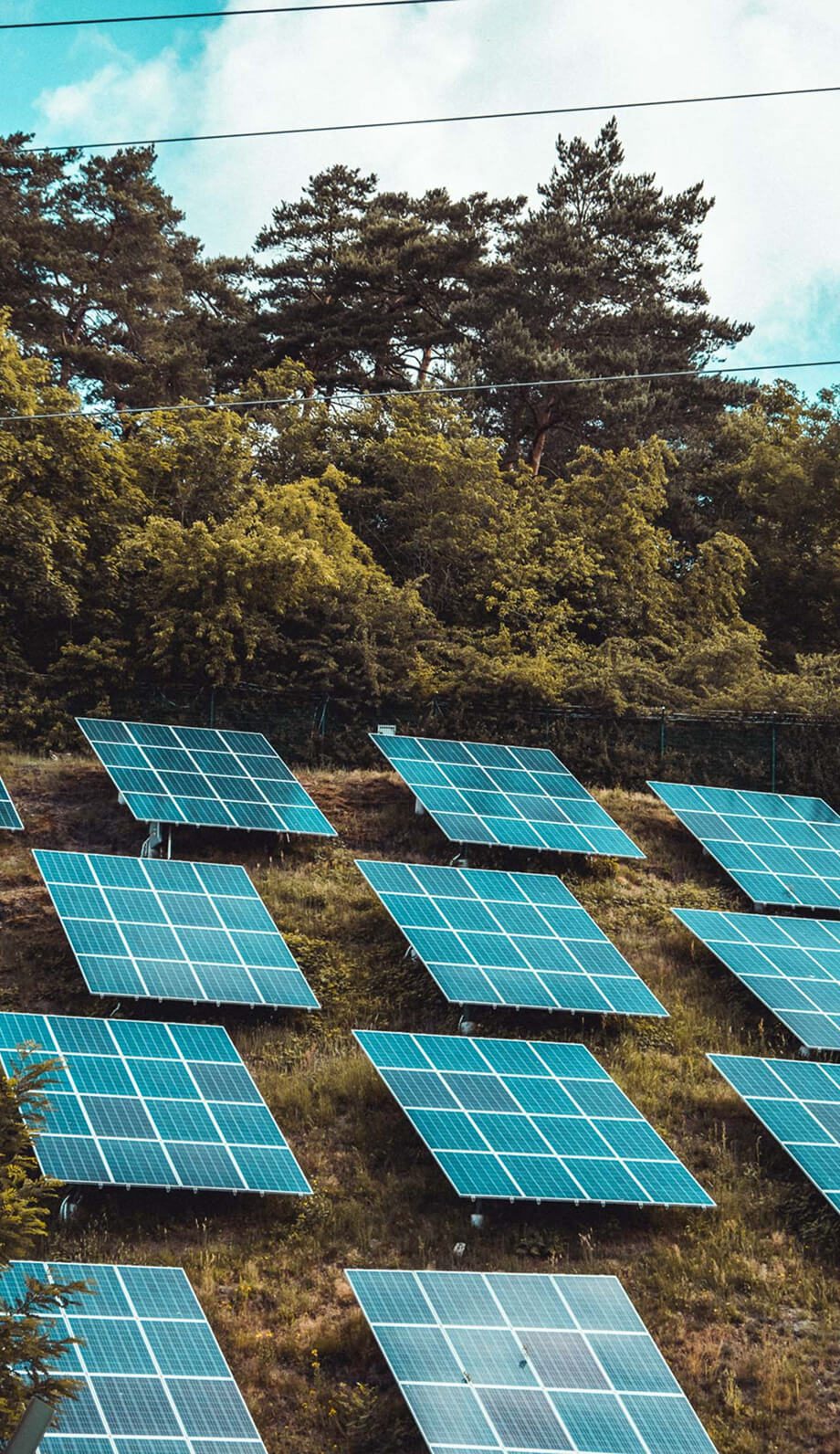
In the UK, the best tilt angle for solar panels is between 30° and 35°, while the best azimuth is south-facing, both allowing for the most sunlight to be captured throughout the year. However, Alt-Group installs panels at tilt angles ranging from 20° – 25° that are ground mounted, and most roof panels will have a tilt angle between 5° and 15°. This is all subject to change, and the best tilt angle will be assessed by our qualified design engineers.
Recommended angles by region in the UK
Each country and region of the UK will require different solar panel angles to capture the most amount of energy. The best angle and direction work together, and the best results happen when both are adjusted throughout the year, which is far more easily done with commercial systems than fixed domestic ones.
Best angle for solar panels in England
Generally, the ideal angle for solar panels in England is between 30° and 40° from the horizontal.
Southern regions generally perform best with slightly lower angles, while northern areas benefit from steeper tilts to capture lower winter sunlight.
Best angle for solar panels in Scotland
Due to Scotland’s northern latitude, solar panels generally require steeper angles than elsewhere in the UK. Higher tilt angles maximise winter solar gain while also assisting rain runoff and self-cleaning.
The best fixed angle for solar panels in Scotland is 37.8°. Edinburgh, Glasgow and Aberdeen benefit from angles ranging from 38° to 42°, and the more north you go, such as the Highlands, the angles become steeper, ranging from around 42° to 45°.
Best angle for solar panels in Wales
Wales benefits from similar solar panel angles to central England, although coastal weather conditions and mountainous terrain can influence system performance in some areas. The ideal fixed tilt angle for Wales is 36.3°.
Best angle for solar panels in Northern Ireland
Northern Ireland typically performs best with tilt angles between 35° and 40°, with 37.2° considered the golden spot. As with other northern UK regions, slightly steeper installations help improve winter solar collection.
Roof pitch vs solar panel angle
Can solar panels work on flat roofs?
Solar panels can work very effectively on flat roofs. Instead of lying flat, the panels are installed using angled mounting systems that position them at the optimal tilt for solar generation.
Flat roofs are often ideal for commercial buildings because they allow installers to optimise panel direction, spacing and tilt without being restricted by the roof’s existing pitch.
Installing solar panels on pitched roofs
Pitched roofs are one of the most common and straightforward locations for solar panel installations. In many cases, the existing roof angle already falls within the recommended 30° to 40° range for UK solar systems, reducing the need for additional mounting systems.
Alt-Group’s build and installation service covers every stage of the process, from planning and system design through to installation and project delivery.
When mounting systems are needed
Solar PV mounting systems are needed when the roof angle or orientation is not suitable for maximum solar performance. Solar mounting systems are commonly used on flat roofs, low-pitch roofs, ground-mounted systems and commercial buildings where panels need to be positioned at a more effective angle.
Commercial solar panel considerations
Best Angles for commercial buildings
For most commercial buildings in the UK, the best solar panel angle is between 30° and 40°. However, the best angle will depend on the building’s location, roof type and energy usage goals. Qualified engineers will assess the best angle for your commercial building, finding the ideal, bespoke angles that maximise energy capture, rather than following a standard angle range for every project.
Maximising ROI through correct positioning
Correct solar panel positioning helps maximise return on investment by increasing energy generation throughout the year. Panels installed at the right angle and orientation capture more sunlight, reducing electricity costs and improving long-term system performance.
Even small improvements in panel placement can significantly affect commercial energy output over the lifespan of the system, particularly for large-scale installations.
Other factors that affect solar panel efficiency
Although tilt angle and direction are important, several other factors can influence how efficiently a solar system performs over time.
Roof space and layout
Roof space and layout directly affect how many solar panels can be installed and how efficiently they operate. Obstacles such as skylights, HVAC equipment, vents and shading from nearby buildings can reduce installation space and limit energy production, but Alt-Group has a range of solutions to tackle these obstacles. Let us know if you’re unsure about whether your roof is suitable for solar panel installation, and we’ll conduct a survey.
Local climate conditions
Local climate should also be highly considered. Factors such as cloud cover, rainfall, seasonal daylight hours and temperature all affect annual energy generation.
While southern areas of the UK typically receive more sunlight overall, cooler northern regions can still achieve strong solar efficiency because panels generally perform better at lower temperatures.
Solar panel quality and technology
Higher-quality solar panels typically deliver better efficiency, durability and long-term performance. Advances in technology, such as monocrystalline panels, allow modern systems to generate more electricity from the same roof space. There are also technologies that utilise power optimisers to ensure if one panel stops working or becomes less efficient, due to shading for example, it doesn’t drag down performance of other panels.
Maintenance and cleaning
Regular maintenance and cleaning help ensure solar panels continue operating efficiently. Dirt, debris, bird droppings and shading can reduce sunlight absorption and lower energy production over time.
Routine inspections from Alt-Group can also identify issues such as damaged wiring, inverter faults or mounting problems before they affect system performance.
How to find the best angle for your solar panels
Using solar surveys and assessments
Professional solar surveyors help determine the most suitable solar panel angle, roof layout and system size for a building. They also identify potential issues such as shading, structural limitations and electrical requirements before installation begins.
If you’re looking for a solar surveyor, Alt-Group provides consultancy and survey services, including detailed assessments designed to help your business plan efficient and cost-effective solar systems.
Working with professional installers
Working with experienced installers at an early stage helps avoid unexpected issues later in the project.
Partnering with Alt-Group means your commercial system is developed around long-term energy performance and return on investment, thanks to optimised panel positioning, identifying challenges and ensuring compliance with relevant regulations before installation begins.
Partner with solar experts
Not every business’s facilities have the same premises with ideal conditions to receive the maximum benefits solar energy brings.
With Alt-Group, our comprehensive solutions ensure that no matter your roof’s angle, direction or restrictions, we design, develop and install the ideal commercial solar PV system setup to bring maximum return on investment. We also specialise in Battery Energy Storage Systems (BESS) and carports. Our wide range of solutions has seen us deliver and maintain a dynamic range of large-scale projects.
Partner with Alt-Group by contacting our team and gain the right solar panel system for your business, installed at the ideal angle and orientation.

Frequently asked questions
The ideal angle for solar panels in the UK is typically between 30° and 40°, with around 35° considered optimal for maximum year-round energy generation. South-facing panels at this angle generally achieve the highest solar efficiency.
Yes, solar panels can be too steep. Angles above 60° may reduce summer energy generation because the panels receive less direct sunlight when the sun is higher in the sky. However, steeper angles can improve winter solar performance.
No, solar panels do not have to face south, although south-facing systems usually generate the most electricity in the UK. East- and West-facing panels still perform efficiently and can provide strong annual energy output for businesses and homes.
The best angle for flat roof solar panels is usually between 10° and 15° for commercial systems. Flatter angles help reduce wind loading, improve drainage and maximise panel spacing while still capturing strong levels of sunlight throughout the year.
Solar panel angle significantly affects winter performance. Steeper tilt angles help panels capture more low-angle sunlight during winter months, improving seasonal energy generation when the sun sits lower in the sky across the UK.
When solar panels are installed at the wrong angle, they can lose between 5% and 20% efficiency depending on the severity of the positioning. Small angle differences usually have minimal impact, but poor orientation and shading can reduce output further.
A roof pitch between 30° and 40° is generally considered best for solar panels in the UK. This range closely matches the ideal solar panel position and angle needed to maximise annual sunlight exposure and energy generation.
Integrated solar panels are built directly into the roof and replace sections of roofing material, creating a flush appearance.
On-roof solar panels are mounted above existing roof coverings using rail systems and are typically cheaper and easier to install.