The 6 different types of solar panels
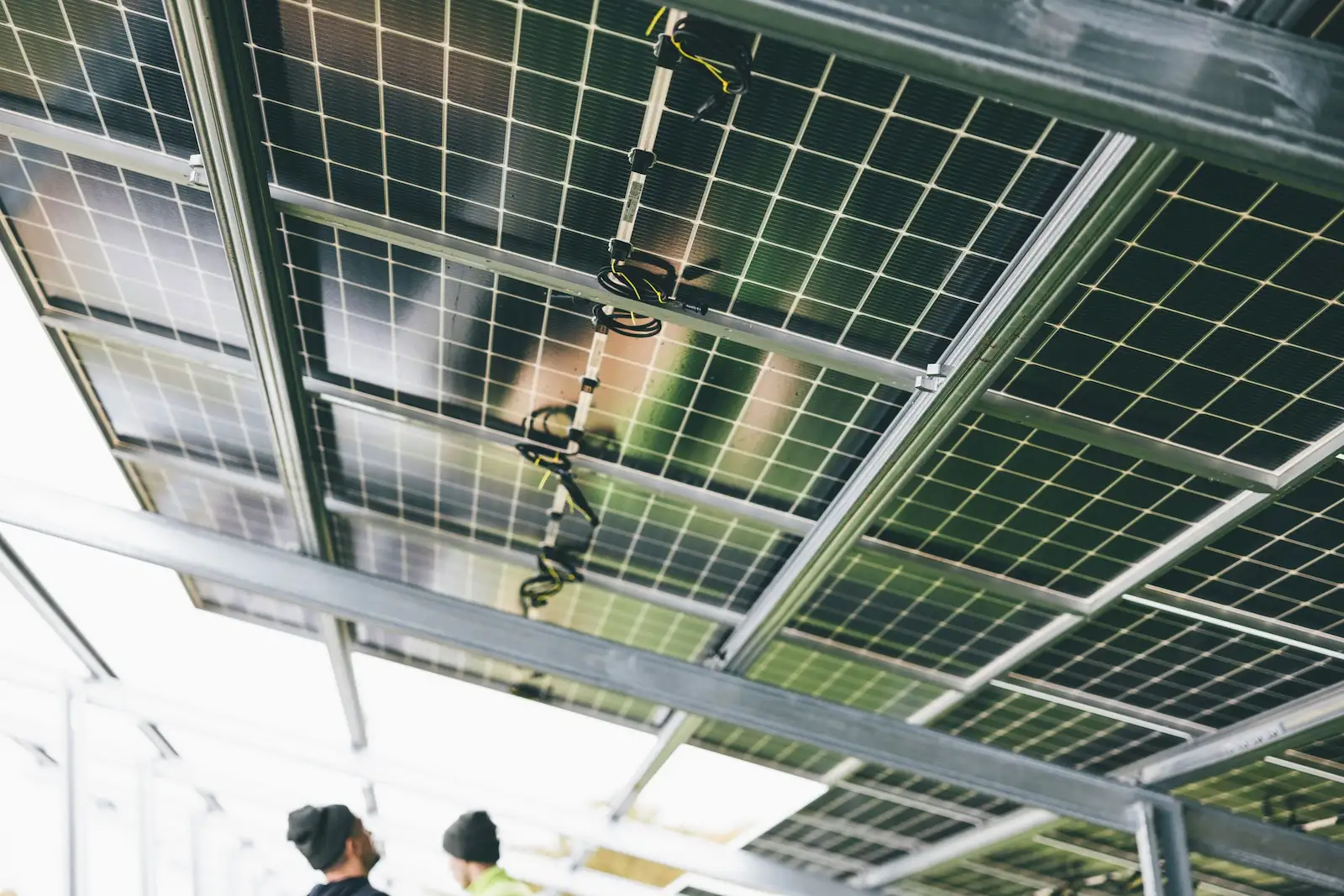
Solar panels are a clean energy solution that can come in various types, each designed to suit specific energy needs, efficiency goals and installation conditions and requirements. Understanding these differences can help businesses and installers alike choose the right technology for their project.
This guide will break down the six main types of solar panels, highlighting their specific features, benefits, and ideal applications.
What are solar panels?
Solar panels, also known as photovoltaics (PV), are sustainable energy conversion devices that can turn direct sunlight into electricity through the use of semiconductor materials.
How do solar panels work?
A solar panel generates electricity by converting sunlight into energy through PV cells. During this process, these cells produce direct current (DC), which is then transformed into usable alternating current (AC) through the use of an inverter. Turning DC into AC means that the generated power is suitable for powering businesses, with any excess often being stored in battery energy storage systems.
Why solar energy is growing in popularity
Solar energy, like many other clean energy options, is greatly gaining popularity. This is because it offers a clean, renewable power source that reduces carbon emissions and dependence on fossil fuels.
The installation costs have also started to fall, and with government incentives and rising energy prices, solar is increasingly an attractive option for businesses looking to save money and support sustainability.
Six types of solar panels to consider
1. Monocrystalline solar panels
Key features
Monocrystalline solar panels are highly efficient PV systems that are made from a singular, pure silicon crystal. They can be identified by their sleek black appearance and their ability to offer high power output levels.
Pros and cons
Pros:
- High efficiency levels
- Longer lifespan
- Fewer space requirements
- Maintains performance in high heat
Cons:
- Significant material wastage during manufacturing
- Higher initial investment
Best use cases
This type of solar panel is best used in residential or commercial building roofs, where size-to-power ratios are crucial.
2. Polycrystalline solar panels
Key features
Polycrystalline solar panels are a more cost-effective version of monocrystalline panels. They are recognisable from their blue-speckled design and are made by melting raw silicon.
Pros and cons
Pros:
- Far more cost-effective
- High durability ratings and longevity
- Reduced wastage during manufacturing
Cons:
- Efficiency drops in hotter temperatures
- Typically have lower efficiency percentages
Best use cases
They are ideal for installations that have the benefit of covering a large area in moderate temperatures but while adhering to a budget.
3. Thin-film solar panels
Key features
A thin-film solar panel is created by installing photovoltaic layers onto either metal or plastic backings. They are lightweight, flexible and adaptable.
Pros and cons
Pros:
- Lightweight and flexible, being able to even bend around corners
- High performance in low-light and warmer environments
- Cost-effective manufacturing
Cons:
- Lifespan is far shorter than other options
- Feature low efficiency levels
Best use cases
This solar panel option can be used in areas where there are strict load-bearing requirements or very limited space. They tend to be used for creating power in mobile or off-the-grid setups.
4. PERC solar panels (Passivated Emitter and Rear Cell)
Key features
Passivated emitter and rear cell (PERC) solar panels are distinct, as they feature a rear passivation layer that works to reduce electron recombination and boost efficiency by reflecting unused light back into the silicon cell layers.
Pros and cons
Pros:
- Enhanced light absorption levels
- Superior low-light and high-heat performance
- Far stronger power efficiency density levels
Cons:
- Higher upfront costs
- More complex manufacturing operations
Best use cases
This type of solar panel is best used in locations where space isn’t a luxury, available sunlight levels are varied and the maximum level of investment returns is needed.
5. Bifacial solar panels
Key features
Bifacial solar panels are similar to PERC panels, as they can generate clean electricity from both sides. Their durable, dual-glass design means that not only do they capture direct sunlight from the front but also anything reflected from behind.
Pros and cons
Pros:
- Significant sunlight collection and energy conversion
- Improved low-light performance
- High power output
- Long-term return on investment
Cons:
- Dual-glass means they are far heavier
- Requires specific installation on reflective surfaces
- Higher initial costs
- Requires more space and elevation to be optimally fitted
Best use cases
This type of solar panel is best used in environments with high-albedo (reflective) surfaces like white-painted, snow or sand-covered rooftops or on the ground with enough clearance.
6. Building-integrated photovoltaics (BIPV)
Key features
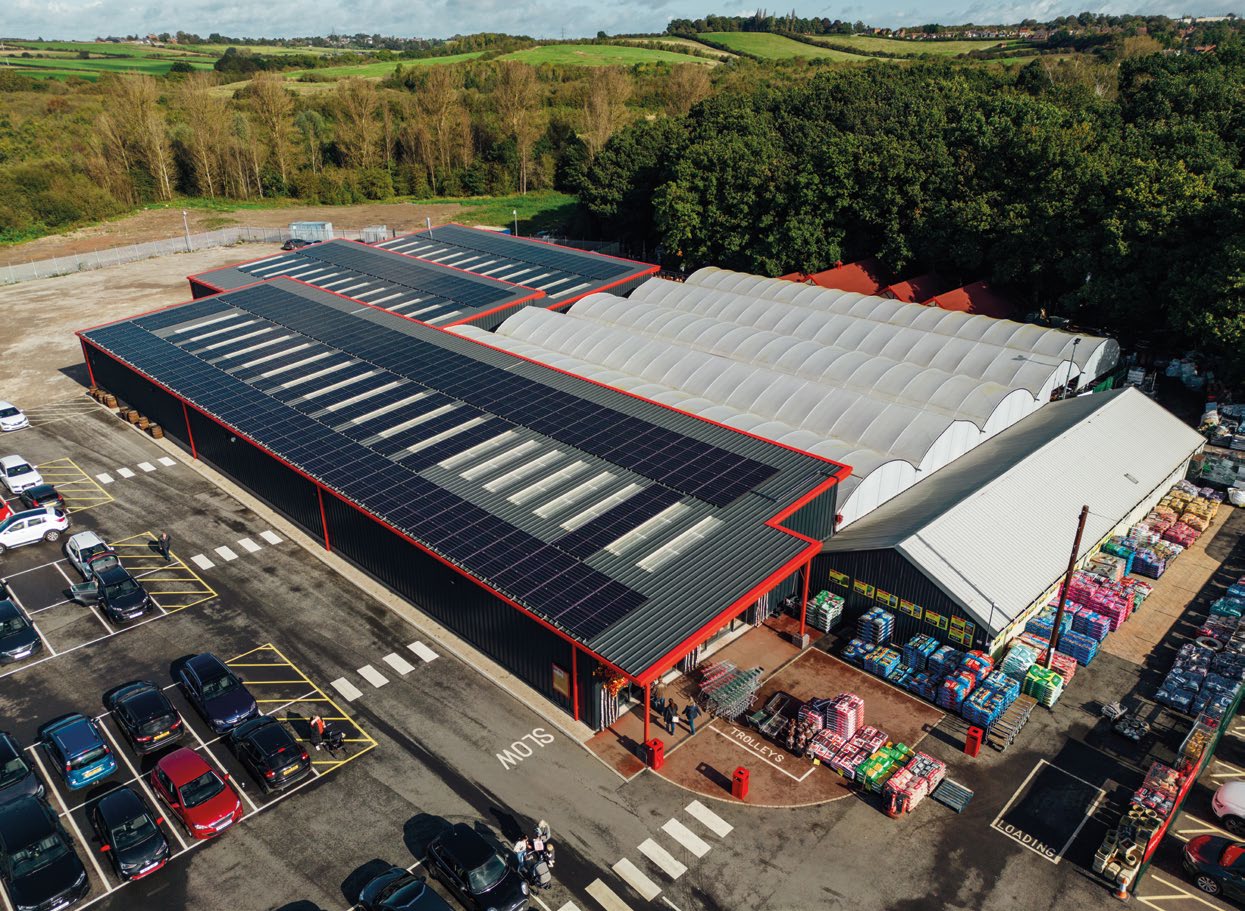
This type of solar panel is designed as a replacement for conventional building wrapping materials. The solar panels essentially become part of the structure, like the roof, windows or facades, to provide on-site electricity generation and weather protection.
Pros and cons
Pros:
- They offer dual functionality and sleek building aesthetics
- Can greatly lower utility costs
- Increased property values
- Can even be coloured or designed to meet existing architecture
Cons:
- High initial costs
- Less energy generation due to inability to be placed at the optimal angle
- Dependant on the climate and are prone to overheating
Best use cases
They are ideal for modern construction projects in urban areas with limited space. In the right position, they can maximise solar exposure and enhance the look of the building.
How to choose the right type of solar panel
Efficiency vs cost
When selecting from the range of different types of solar panel, it is important to balance energy efficiency with budget. Monocrystalline panels offer higher efficiency but come at a higher price, while polycrystalline panels are generally cheaper with slightly lower output.
Space considerations
The availability of roof or installation space will have a significant effect on panel choice. High-efficiency panels are ideal for limited space, whereas larger areas can accommodate lower-efficiency panels to achieve the same energy output.
Climate and location factors
Average local weather conditions also impact performance. Panels that perform well in low light or cooler temperatures are preferable in cloudy or more temperate regions, ensuring consistent energy production throughout the year.
Commercial needs
Businesses should consider energy demands, roof sizes, and long-term savings. High-efficiency panels or advanced technologies may be cost-effective for commercial projects requiring significant energy generation or sustainability certifications.
Partner with solar experts
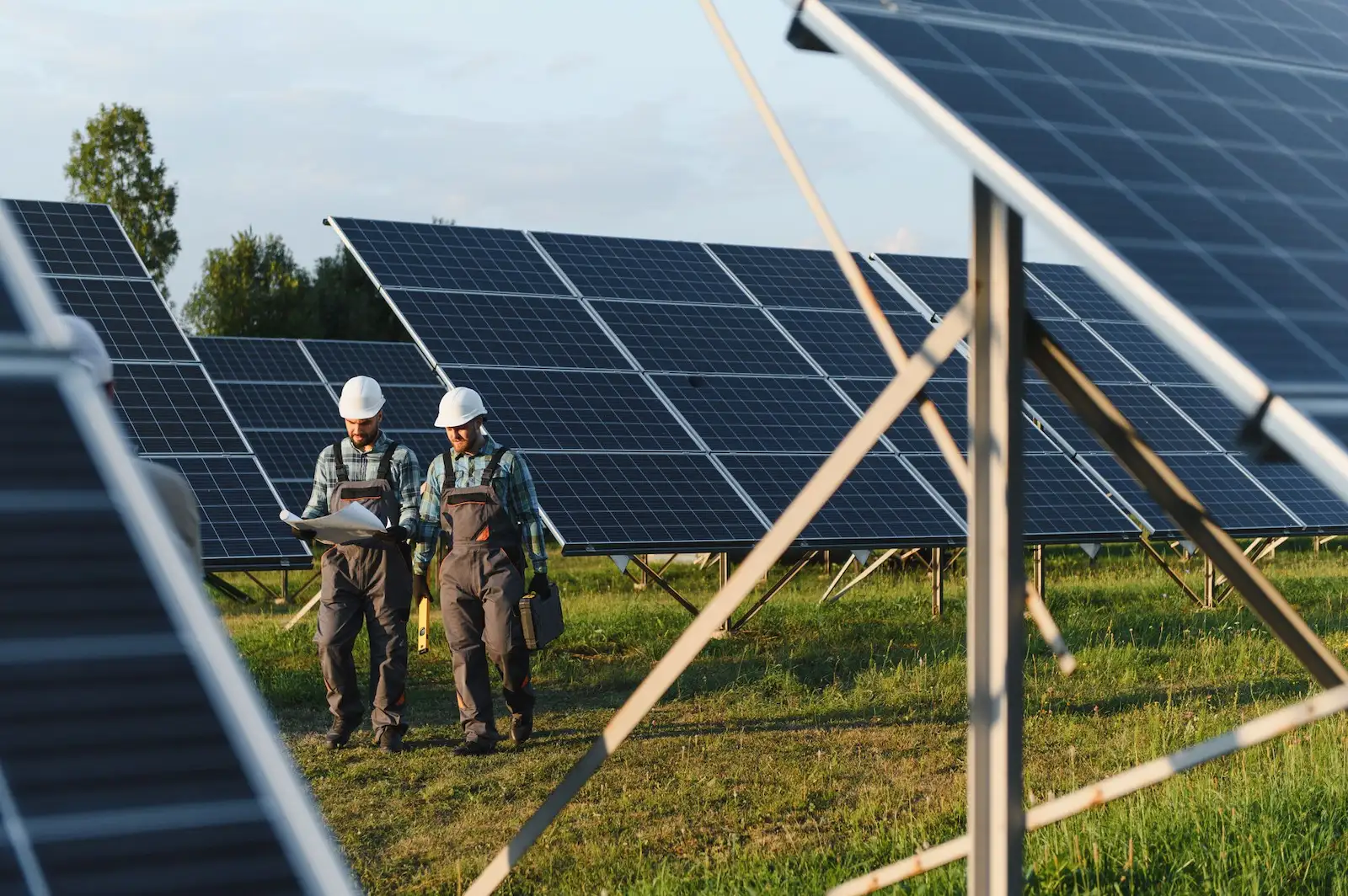
For optimal solar panel performance, it is a good idea to consult professionals first. Alt-Group has been providing clean energy systems for businesses since 2017 and can offer a full-service solution and long-term partnerships.
Explore our installation services and other options we offer, and contact us today for a solar energy consultation via our contact page or by simply phoning 0330 174 2702.
Frequently asked questions
Monocrystalline solar panels are generally the most efficient due to their high-purity silicon cells. They offer superior energy output per square metre, making them ideal for limited roof space or applications where maximum efficiency is required.
It is always important to remember that installation, mounting and optimising can all add on to the overall costs of solar panels. As a general rule, polycrystalline panels are normally the most cost-effective option, particularly for installation in large, open spaces.
Your desired application can have a strong input on which panel choice is best and cheapest.
As a standard, most solar panels tend to have a lifespan of around 25 to 30 years. Monocrystalline panels seem to maintain higher efficiency longer, while polycrystalline panels may degrade at a slightly faster rate.
Then there are thin-film panels that typically have shorter lifespans, a clean energy expert can help you choose the best option for your needs.
Advanced solar panel technologies like bifacial or thin-film panels can offer improved efficiency, flexibility and nicer aesthetics. While typically more expensive, they can be worthwhile in specific situations, like limited space, challenging roof angles or commercial installations that are seeking long-term return-on-investments.
For UK businesses, monocrystalline panels are typically recommended due to their high efficiency and durability across the varied weather patterns we face.
Polycrystalline panels can also be cost-effective for larger rooftops, while newer technologies may suit sites with unique space or energy requirements. Seeking advice from the experts at Alt-Group can help you make the best decision.