Financing solar panels in the UK: Photovoltaic loans explained
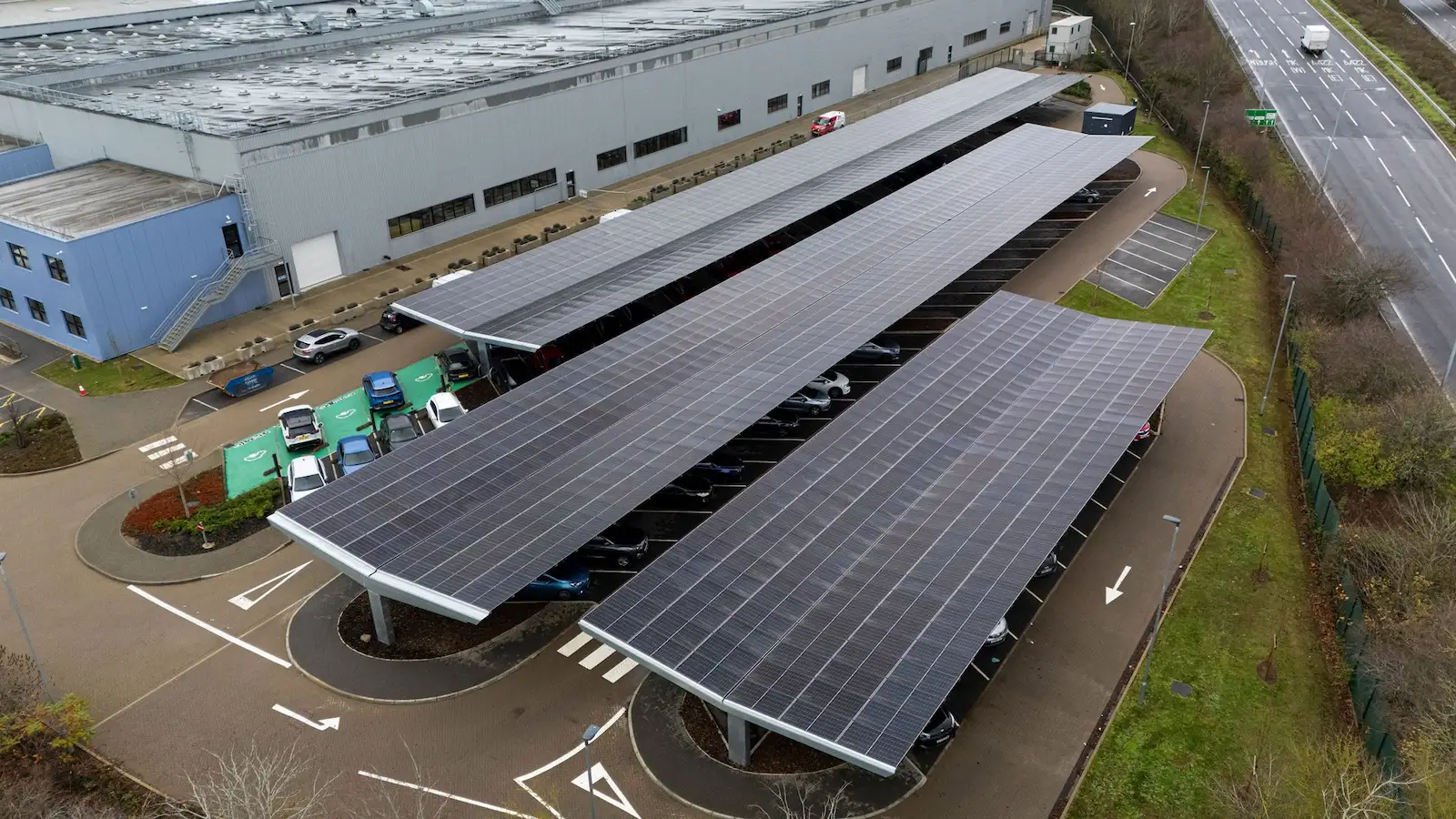
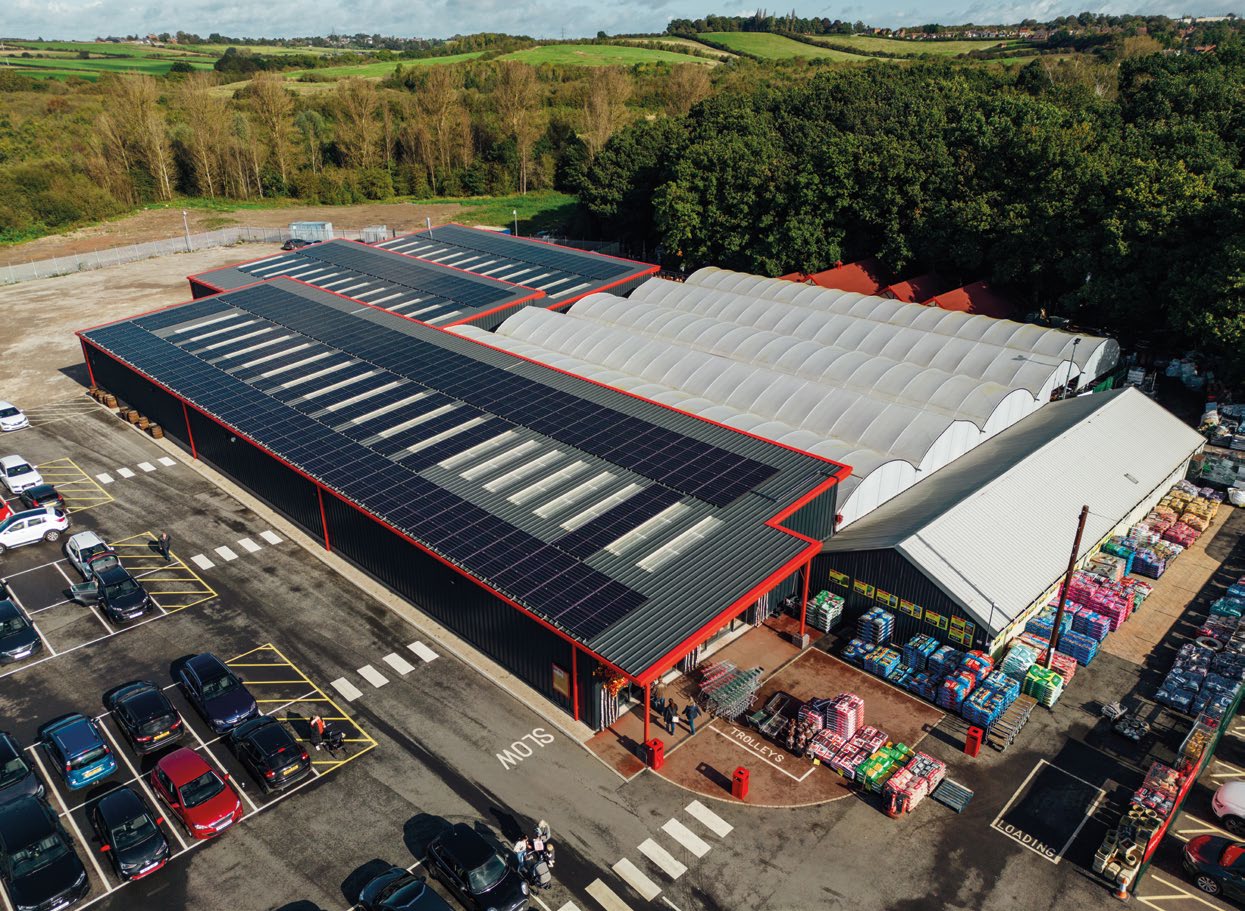
Here at Alt-Group, we provide full turnkey, tailored solar PV and battery storage solutions for commercial and industrial projects across the UK. We understand the demand for renewable energy for businesses, but sometimes you will need a little extra financial support.
As a trusted partner in renewable energy, we’re here to guide you on financing for solar panels, including the funding options you could choose, the benefits and how to apply for support.
What does financing solar panels mean?
Financing solar panels involves using one or several ways to pay for their supply and installation, helping to make renewable energy more affordable and accessible. Costs for businesses are spread over time through structured finance solutions.
In many cases, repayments on energy purchase costs can be partially or fully offset by the savings generated through reduced grid electricity consumption and costs, making solar a financially and environmentally strategic investment.
Types of solar panel financing options in the UK
Commercial green energy loans
Green loans are becoming increasingly popular in the UK as lenders respond to growing demand for sustainable investment. These are business loans specifically designed to support environmentally beneficial projects, including solar PV installations.
Similar to traditional business loans, green loans will have fixed or variable interest rates and agreed payment terms. They often come with more favourable conditions, such as lower interest rates or flexible repayment options, reflecting the lower risk profile and positive environmental impact of renewable energy projects.
Commercial green loans are particularly suitable for businesses that want to treat solar as a strategic capital investment, while still maintaining flexibility in how that investment is financed. The business retains full ownership of the solar system from day one, meaning all energy savings and revenue made from exported electricity are kept by the business.
Asset leasing
When financing solar panels, one of the biggest decisions is whether to own the system or lease it.
In an asset financing or leasing arrangement, the solar PV system is treated as a business asset, and the cost is repaid in fixed instalments over an agreed term. Once all payments have been made, ownership transfers fully to the business.
Think of leasing like a subscription service; a provider will install panels with little or no upfront cost, but you effectively rent the system. Leasing contracts for solar panel installation typically last either a few months, while others up to 20 years.
The longer the leasing contract term, the lower your monthly payments will be, but you will not take ownership of the system until all payments have been made or you receive potential income through Smart Energy Guarantee (SEG) or other export revenues.
Power Purchase Agreements (PPAs)
A Power Purchase Agreement (PPA) is one of the most established routes for businesses looking to install solar without committing capital upfront.
Under a PPA, a third-party investor is responsible for funding, installing, owning and maintaining the solar PV system on your site. Your business then agrees to purchase the electricity generated by the system at a pre-agreed rate, which is typically lower than standard grid electricity prices.
Businesses choose this model for immediate cost savings without taking on asset ownership or technical responsibility. These agreements often span 10 to 25 years, and while they provide price certainty and protection against market volatility, businesses need to carefully consider contract terms. Alt-Group can help with understanding these contractual complexities, supporting landlord and tenant discussions and how a PPA relates to tenancy agreements.
Outright purchase (CapEx Investment)
Some organisations choose to fund solar installations outright using capital expenditure (CapEx). While this requires significant upfront investment, it offers maximum long-term return on investment, full ownership of the system and access to all energy savings and export revenues.
Loans for solar PV systems explained
What are loans for solar PV?
Solar PV loans allow you to borrow money to install photovoltaic panels and repay it in monthly installments over time. This makes solar energy accessible without paying the full upfront cost.
You can get solar PV loans through banks, specialist lenders or the installers themselves. The idea is that your energy bill savings can offset the loan repayments, making them a great incentive for businesses. Alt-Group works with a number of partner providers to support the development of viable solar PV projects.
How photovoltaic loans differ from standard loans
While similar to personal loans, photovoltaic loans have some distinct differences.
Firstly, photovoltaic loans are designed specifically for energy improvements like solar panels. Because of their specific purpose and being offered as ‘green loans’, the interest rates are often lower than standard loans. Solar loans also have flexible structures and may include installer finance, subscription-style models or deferred payments. Finally, lenders often consider projected energy savings as part of the affordability.
Typical eligibility criteria in the UK
There is a criteria businesses must pass to be eligible for a photovoltaic (solar) loan. Much like a standard loan, your credit score and history will need to be assessed by the lender.
You will need a stable trading history and be able to afford the monthly payments of the finance scheme, and you will need to own the property. Your property must also be suitable for solar panel installation, and things like the roof condition will be assessed, as well as the solar potential.
Interest rates and repayment terms
Whether you choose to lease a solar system or finance it through a commercial loan, interest rates and terms will vary depending on the lender and loan type.
With financing provided by solar panel installers, it’s actually possible to get 0% finance deals, with term lengths ranging from around three to five years. However, these deals may come with a higher system price.
Generally though, standard loans usually range between 3%-7% APR for those with good credit. Green home improvement loans can range between 2%-5% APR, while higher-rate finance plans can range from 9%-15% APR.
You should always compare the APR (Annual Percentage Rate), not just the initial interest rate that’s promoted, as APR will include fees and offer a more accurate representation of the total loan cost.
Fortunately, repayment periods are flexible and can be tailored to your budget:
Short-term loans (2-5 years)
- Higher monthly payments
- Lower total interest paid
- Often used with 0% or low-interest deals
Medium-term loans (5-10 years)
- Most common option
- Balanced monthly payments and interest costs
Long-term finance (10-15+ years)
- Lower monthly payments
- Higher total interest over time
- Sometimes used with green mortgages or subscription-style models
Three benefits of photovoltaic loans
1. Spread the cost of solar installation
One of the biggest advantages of photovoltaic loans is the ability to avoid large upfront costs. Instead of paying thousands of pounds in one go, you can spread the cost over manageable monthly repayments.
This makes solar panels accessible to more businesses, especially if you want to benefit from renewable energy but don’t have immediate capital available. In many cases, loan terms can be tailored to suit your budget, helping you maintain financial flexibility and a positive cash flow.
2. Immediate energy savings vs long-term ROI
Although you’re repaying a business loan, solar panels begin generating electricity from day one. This means you can start reducing your energy bills immediately. You can benefit from lower electricity bills thanks to self-generated power, potentially earn money from exporting excess energy, and be protected against rising energy prices, which we all can relate to at the moment.
Over time, the return on investment (ROI) becomes clear. Once the loan is repaid, the electricity your system generates is effectively free, significantly increasing long-term savings.
3. Increasing property value
Installing solar panels can make your business premises more attractive to buyers and may increase its market value. Commercial properties with renewable energy systems often benefit from improved EPC ratings, lower running costs and greater appeal in an energy-conscious market.
Where tenants want to take the lead, they can work with Landlords to improve property value whilst also supporting their own operational carbon reduction goals.
Potential drawbacks to consider
Interest costs over time
Financing solar panels does come with some risks. One of them is that loans can increase the total cost of your system due to interest payments. Even with competitive green loan rates, you may end up paying more overall compared to buying the system outright. It’s important to compare total repayment amounts, not just monthly costs.
Credit requirements and risks
Most lenders will assess your creditworthiness before approving a solar PV loan. Like a regular loan, a strong credit score usually secures better interest rates. Missed repayments could affect your credit rating, and secured loans may put your property at risk if repayments aren’t maintained. Before committing, it’s important to ensure the loan is affordable under different financial circumstances.
Maintenance and performance considerations
Although solar panels are generally low maintenance, they aren’t entirely risk-free. Performance depends on sunlight exposure and system quality. Inverter replacements may be needed after 10-15 years, which adds onto overall costs, and unexpected repairs could impact your financial returns.
If your system underperforms, your savings may not fully offset your loan repayments, so choosing a reputable installer is essential. It is worth considering an Operations and Maintenance contract to ensure system performance. Alt-Group can provide the certainty of ongoing monitoring and maintenance, to deliver maximum system performance.
Are there government schemes that support solar?
Smart Export Guarantee (SEG) explained
Let’s look at Smart Export Guarantee (SEG) in detail.
The Smart Export Guarantee (SEG) is a government-backed scheme that pays businesses for exporting unused solar electricity back to the grid. The scheme is available through participating energy suppliers, and rates will vary depending on your provider. The scheme will also require the installation of a smart meter or export meter, too.
While SEG payments won’t cover your full loan repayments, they provide an additional income stream that improves overall returns.
Annual Investment Allowance (AIA)
Capital allowance schemes like the Annual Investment Allowance (AIA) can provide significant tax relief, particularly for businesses investing directly in solar assets. UK businesses can deduct 100% of the cost of solar panel installations from their pre-tax profits, with a £1 million limit. The solar panels must be new and used for business purposes.
How to apply for a solar PV loan
Step-by-step application process
- Get a solar quote from an accredited commercial solar installer. Alt can provide a feasibility study free of charge that can be tailored to your site.
- Assess your financing options (installer finance, bank loan, green loan)
- Submit a loan application with your chosen lender or finance partner
- Undergo credit and affordability checks
- Receive approval and agree to terms
- Schedule installation once funding is in place
Documents you’ll need
To apply for photovoltaic loans in the UK, you’ll usually need:
- Proof of identity
- Company financial statements
- Proof of business ownership or lease
- Project proposal and technical specifications
- Energy usage data
Choosing the right lender
Not all solar finance options are the same, so it’s important to compare lenders carefully. Always consider interest rates (APR) and total repayment cost, loan term flexibility, early repayment options, whether the loan is secured or unsecured, as well as the reputation and customer reviews of the lender. Alt-Group can present options from our partner providers to suit different needs.
Partner with solar experts
Here at Alt-Group, we partner with a range of sectors in the UK, delivering solar, storage and integrated energy systems that provide fantastic financial benefits, as well as helping to build a better, healthier future for the world. We don’t just stop at solar panel installation either, our services cover consultation, development, bespoke design, installation and maintenance.
To discuss your solar PV project, get in touch with our team today.
Frequently asked questions
Solar panel loans in the UK typically last between 3 and 10 years, though some options, like leasing, extend to 15 years or more. Shorter terms mean higher monthly payments but less interest overall, while longer terms reduce monthly costs but increase total repayment.
In most cases, yes. Solar panels can pay for themselves within a few years through energy bill savings and SEG payments. After that, the electricity generated is free, improving long-term savings and ROI.
Many solar loans allow early repayment, but some lenders charge early repayment fees. Always check the loan terms before signing. Paying off your loan early can reduce total interest and help you maximise the financial benefits of your solar investment.
Luckily not, in a supportive move to achieve Net Zero, the UK government has exempted “green plant and machinery” (including rooftop solar and battery storage) from Business Rates until at least 2035. Your property valuation will not increase because you added solar.