What are roof integrated solar panels?
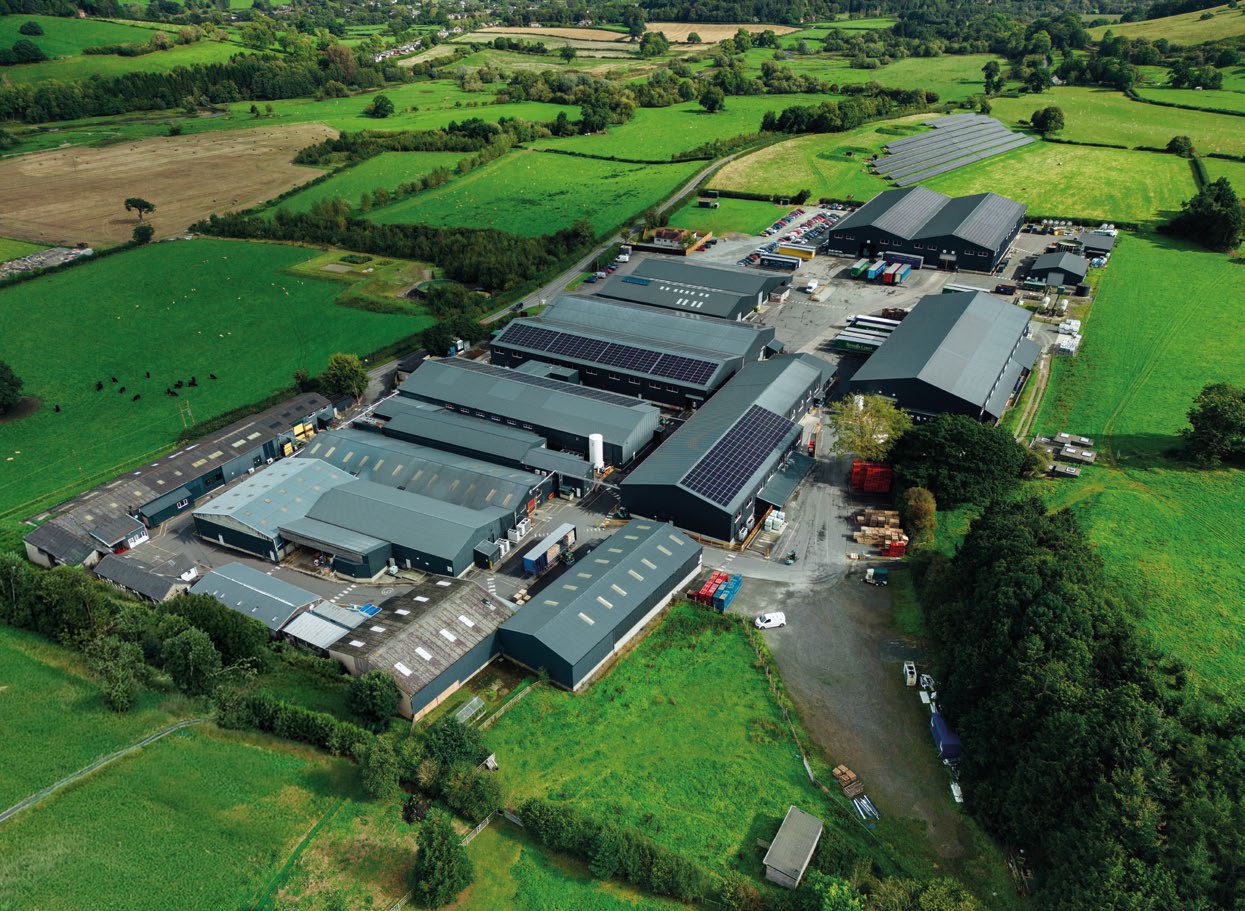
As more and more business owners look for ways to improve the energy efficiency of their commercial buildings, solar panels are becoming more and more popular. One of the more popular options is roof-integrated solar panels. Unlike standard solar panels, these are built directly into your roof, creating a low-profile and sleek finish while generating clean electricity.
This helpful guide from the experts at Alt-Group will explain all you need to know about integrated roof solar panels. We’ll explore how they work, how they differ, their advantages and disadvantages, installation information, costs and whether they are the right choice for you.
Whether you are investing in renewable energy for the first time, planning a new build or replacing a roof entirely, this article will help you make an informed decision.
Roof integrated solar panels defined
Roof integrated solar panels are solar PV systems designed to sit flush within a property’s roof structure rather than being mounted on top of existing tiles. They replace sections of roofing material, offering a more streamlined appearance while generating renewable electricity.
What does “roof integrated” mean?
“Roof integrated” means that the solar panels are designed to form part of the roof itself, rather than being mounted on top of it. Instead of fixing panels onto existing tiles or slates, the clean energy system replaces whole sections of the roofing material and slots directly into the roof structure.
This creates a neat and seamless finish where the panels sit flush with the roofline, lowering the potential for leaks while acting as an energy generator.
How integrated solar panels work
Integrated solar panels, sometimes known as in-roof systems, work like all solar panels by converting sunlight into electricity through photovoltaic cells. These silicon-based cells absorb sunlight, which produces an electrical field that creates direct current (DC) that is then turned into usable alternating current (AC).
The difference between integrated and on-roof solar panels
On-roof solar panels are mounted above existing roof tiles using a rail system. They are the most common option because they are cheaper, quicker to install, easier to maintain and often slightly more efficient due to better airflow.
Integrated solar panels are built directly into the roof and replace part of the roofing material. They sit flush with the roof, creating a cleaner, more modern appearance. However, they are usually more expensive and can experience slightly less efficiency with airflow beneath the panels being limited.
The best choice depends on budget, aesthetics and your roofing plans.
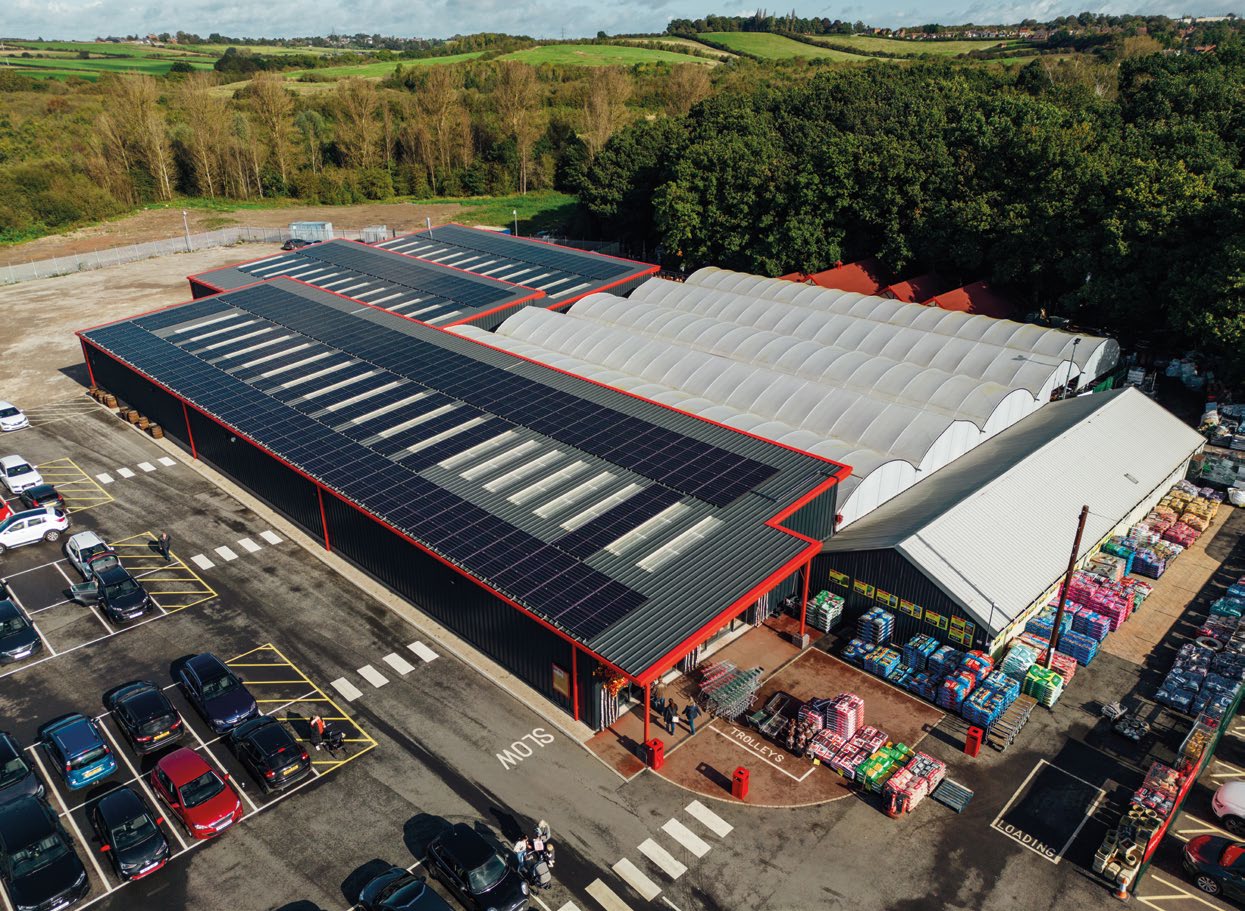
How roof Integrated solar panels are installed
As previously mentioned, these panels are fitted directly into the roof structure rather than mounted on top. They effectively become your roof. During the installation process, sections of the roof will be removed before being replaced with these specifically designed solar panels. There may be the need for extra structural adjustments or roofing work.
Replacing roof tiles with solar panels
If being retroactively fitted, integrated solar panels replace part of the existing roof covering. The installation team will remove tiles from the chosen areas before fitting mounting trays, waterproof flashing systems and the solar panels themselves.
Suitable roof types for integration
These solar systems work best on pitched roofs with slate, tile or composite roofing materials. They are commonly installed on new builds, extensions and commercial reroofing projects. Roofs should have good structural condition, suitable orientation and minimal shading for optimal performance.
Installation process explained
The installation process typically involves:
- Assessing the structure and energy requirements
- Roofing section removal
- Mounting tray installation and weatherproofing
- Fitting the solar panels
- Connecting the inverter and other electrical systems
- Final checks
5 benefits of roof integrated solar panels
1. Sleek and modern appearance
Roof integrated solar panels sit in the roofline itself, creating a clean and contemporary finish. This more minimalist approach is appealing for businesses who want to benefit from clean energy production that complements modern architectural design.
2. Improved aesthetics for new builds
They are becoming a popular choice in new-build developments because they form part of the roof structure from the start. Architects and developers often prefer them for their seamless appearance and ability to maintain consistent rooflines.
3. Space-saving roof design
Because integrated solar panels replace roof coverings instead of sitting above them, they create a streamlined and efficient roof design. This allows for far better use of available roof space while avoiding bulky mounting systems. The flush installation also reduces visual clutter and can help maintain planning compliance in certain settings.
4. Renewable energy and reduced electricity costs
By providing a source of clean and renewable electricity, solar panels are a sensible solution for energy bill reduction over time. On-site power production can reduce your reliance on grid electricity, helping with the continued growth in energy prices. As a form of clean energy, it also improves an organisation’s sustainability efforts.
5. Potential increase in property value
Properties with integrated solar panels may attract greater buyer interest due to lower running costs and improved energy efficiency. Plenty of buyers will value sustainable features and modern renewable technologies, particularly in newer commercial buildings.
A professionally installed solar system can enhance market appeal and potentially increase long-term property value.
Drawbacks of roof integrated solar panels
Some drawbacks of roof integrated solar panels include:
- Potentially higher installation costs than on-roof solar systems
- More complex installation process
- Slightly lower efficiency due to reduced airflow
- Repairs or replacements can be more difficult and costly
- Often best suited to new roofs or full reroofing projects
- Limited compatibility
Are roof integrated solar panels suitable for businesses?
Commercial applications for integrated solar
Roof integrated solar panels are suitable for many commercial properties, including offices, warehouses, public sector buildings, retail units, agricultural buildings and industrial facilities.
They are particularly beneficial for businesses with large pitched roofs and high daytime energy usage. Integrated systems offer a professional appearance while helping organisations reduce operating costs and improve sustainability credentials.
Best roof types for commercial properties
Pitched roofs with tiles, slate or composites tend to be the best option for installation. Commercial properties that are undergoing reroofing or full, new construction are better candidates.
This is because the process is more invasive and will cause too much interference to daily running. Obviously, ideal locations would have a sturdy structure, minimal shading and sufficient surface area.
Long-term energy savings for businesses
Businesses investing in roof-integrated solar panels can significantly reduce long-term electricity costs by generating renewable energy on-site. Lower reliance on grid electricity helps protect against rising energy prices while reducing carbon emissions.
Over time, these energy savings can offset installation costs, improve operational efficiency and support environmental sustainability targets.
Costs of roof integrated solar panels
Roof integrated solar panel costs vary depending on system size, roof complexity, panel quality and installation requirements.
Average installation costs in the UK
Solar panel projects in the UK can range anywhere, budget-wise, from smaller installations to significantly higher costs for large-scale commercial projects. Pricing all depends on energy requirements, roof size and system capacity. Businesses should always be sure to obtain detailed quotations to compare installation costs, projected savings and long-term return on investment.
Factors that affect pricing
Several factors influence the cost of integrated solar installations, including system size, roof structure, accessibility, panel efficiency, labour requirements and electrical upgrades. New build projects may reduce installation complexity, while reroofing work can increase costs.
Return on investment and payback period
Return on investment depends on installation costs, energy consumption, electricity prices and system performance. Many businesses recover costs through reduced energy bills over several years while continuing to benefit from long-term savings afterwards.
Integrated solar panels can also improve sustainability credentials, potentially increasing property value and supporting environmental compliance objectives.
Choosing the right roof integrated solar system
Knowing what to look for, which are the ideal solar panels to choose, warranties, budget, long-term performance and more, are all crucial things to keep in mind when choosing the right integrated roof solar system.
What to look for in a solar installer
When selecting a solar installer, businesses should look for relevant certifications, commercial project experience and positive customer reviews. A reputable installer will provide clear quotations, performance estimates and warranty information.
Selecting high-quality solar panels
High-quality solar panels typically offer stronger efficiency ratings, longer warranty agreements and better long-term performance. You should compare panel durability, manufacturer reputation and expected energy output before deciding.
Choosing reliable products can have significant improvements to the lifespan, maximum energy generation and reduced maintenance.
Questions to ask before installation
Prior to installation there are some important questions you should be asking during the consultation phase. Things like projected energy savings, warranties, panel lifespan, installation timeframe, upkeep and potential energy creation.
Partner with solar experts
Here at Alt-Group, we are one of the country’s leading lights in renewable energy solutions. From solar PV systems to battery energy storage systems, carports and more, our experts are on hand to help boost your clean energy production. Explore our recent projects or get in touch with our team today for further advice.
Frequently asked questions
Roof integrated solar panels are solar panel systems that have been built directly into the roof structure instead of being mounted on top of existing tiles. This creates a neater, more seamless look while having better weatherproofing.
These are an ideal investment for property owners who are interested in maintaining the aesthetics of their building whilst supporting sustainability goals and the creation of clean, renewable energy.
There does tend to be a drop in efficiency in roof integrated solar panels compared to traditionally mounted ones. This is down to the reduced airflow underneath the panels. This drop in efficiency is typically small and often unnoticeable.
Of course, these clean energy systems can be installed on pre-existing roofs. But it is a more intensive and disruptive process than traditional means which should be accounted for. This means that it can be easier for full projects or new builds.
As an industry standard, most integrated solar panels are designed to last around 25 years with the proper installation and maintenance. Most manufacturers provide long-term warranties or performance guarantees to reinforce this.
Potentially. In many cases, roof integrated solar panels do not require planning permission because they are considered permitted development. However, restrictions may apply to listed buildings, conservation areas or properties with specific planning conditions.
Any property owner should be sure to check local planning regulations before starting any installation work.
Yes, roof integrated solar panels are usually more expensive than traditional on-roof systems. Higher costs are linked to more complex installation processes, specialist mounting components and additional roofing work.
These extra initial costs can be offset by the improved aesthetics, long-term energy savings and reduced roofing material costs.
Integrated solar panels are built directly into the roof and replace sections of roofing material, creating a flush appearance.
On-roof solar panels are mounted above existing roof coverings using rail systems and are typically cheaper and easier to install.